
First time using a Leica
On expectation, reality, and why feeling matters more than anything else.

Leica is one of those names you hear about long before you ever actually use one. There’s a certain weight to it. The history, the heritage, the reputation. People don’t just say they’re good, they talk about them like they’re something completely different. Not just another camera, but something a level above everything else.
And to be fair, that reputation didn’t come from nowhere. Leica were behind the first 35mm stills camera back in the early 1900s, and from there they became tied to much of the most iconic photography ever made. Street photography, documentary work, photojournalism… their cameras have been part of that world for decades. So naturally, over time, that builds expectation. You don’t just expect it to be good, you expect it to feel different.
That’s where I was with it.
I’d seen them, I’d heard all the talk, and there was always that question in the back of my mind. What actually is the difference? If you put a Leica next to another rangefinder from a similar era, what are you really paying for? Is it just branding and hype, or is there actually something there that makes it worth it?
So when I finally got the chance to shoot one, I was curious more than anything else.
And straight away, what stood out was how easy it was to use. Not in a dramatic way, just instantly natural. The viewfinder was bright and clear, the rangefinder patch was really easy to pick up, and the frame lines with the parallax correction made composing images quick and easy. Nothing felt like it was getting in your way, and nothing needed overthinking. It just worked, and that’s so important when shooting street photography.
Even just holding it felt nice. The weight, the balance, the way it sat in your hand. The winding mechanism, as well, which sounds like a small thing, but it was genuinely nice to use. Everything about it felt smooth and intentional, like it had been designed to be used without friction.
I shot it mostly zone focus with a 35mm Summicron, and that combination just made things incredibly simple. The distance markings were really clear, easy to read quickly, and snapping into focus became second nature. I barely missed focus all day, which, for street photography, makes a massive difference. When you’re out shooting, things happen quickly, and you don’t get time to double-check everything. The fact that it just kept up with me without any effort is probably the biggest thing I noticed.
And that’s when it started to shift slightly in my head.
You go into it thinking it’s just going to be a slightly nicer version of what you already use. But the more you shoot with it, the more you realise it’s not really about features or specs at all. It’s about how easily you can move from seeing something to actually capturing it. There’s less resistance. Less thinking. It just becomes part of the process rather than something you have to manage.
Then I got the images back, and that was a bit of a moment for me.
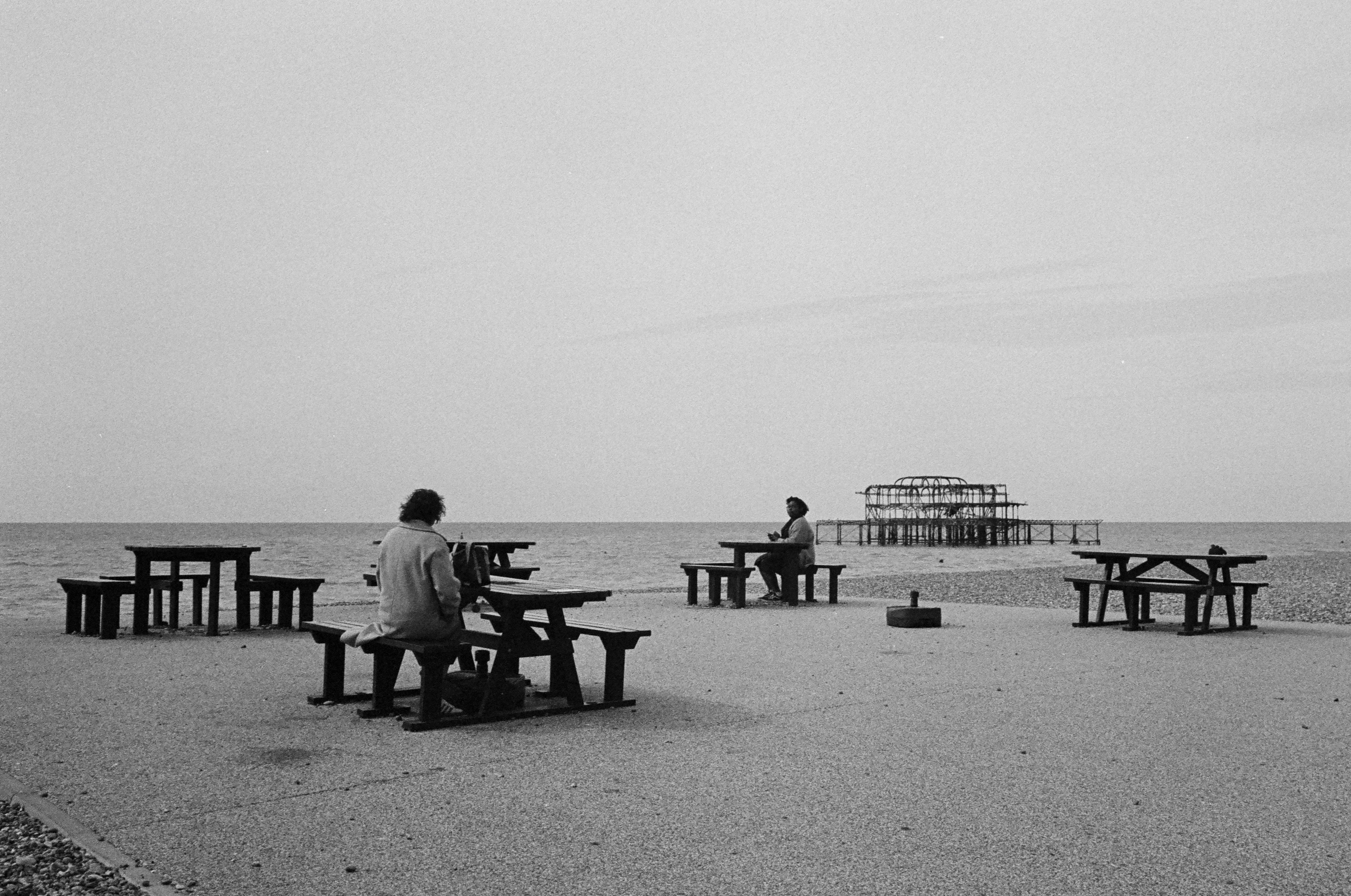
They were sharp, but not in that obvious digital way. Just clean, natural, properly in focus. Everything looked how I remembered it, which is actually quite rare. The combination of the camera and that Summicron lens just worked in a way that felt really honest. I wasn’t fighting anything, I wasn’t trying to compensate for anything, it just delivered what I saw.
And I think that’s when it all properly landed.
You start to understand why people talk about them the way they do. It’s not just hype, and it’s not just about owning something expensive or iconic. It’s about the experience of using it, and how that experience affects the way you shoot.
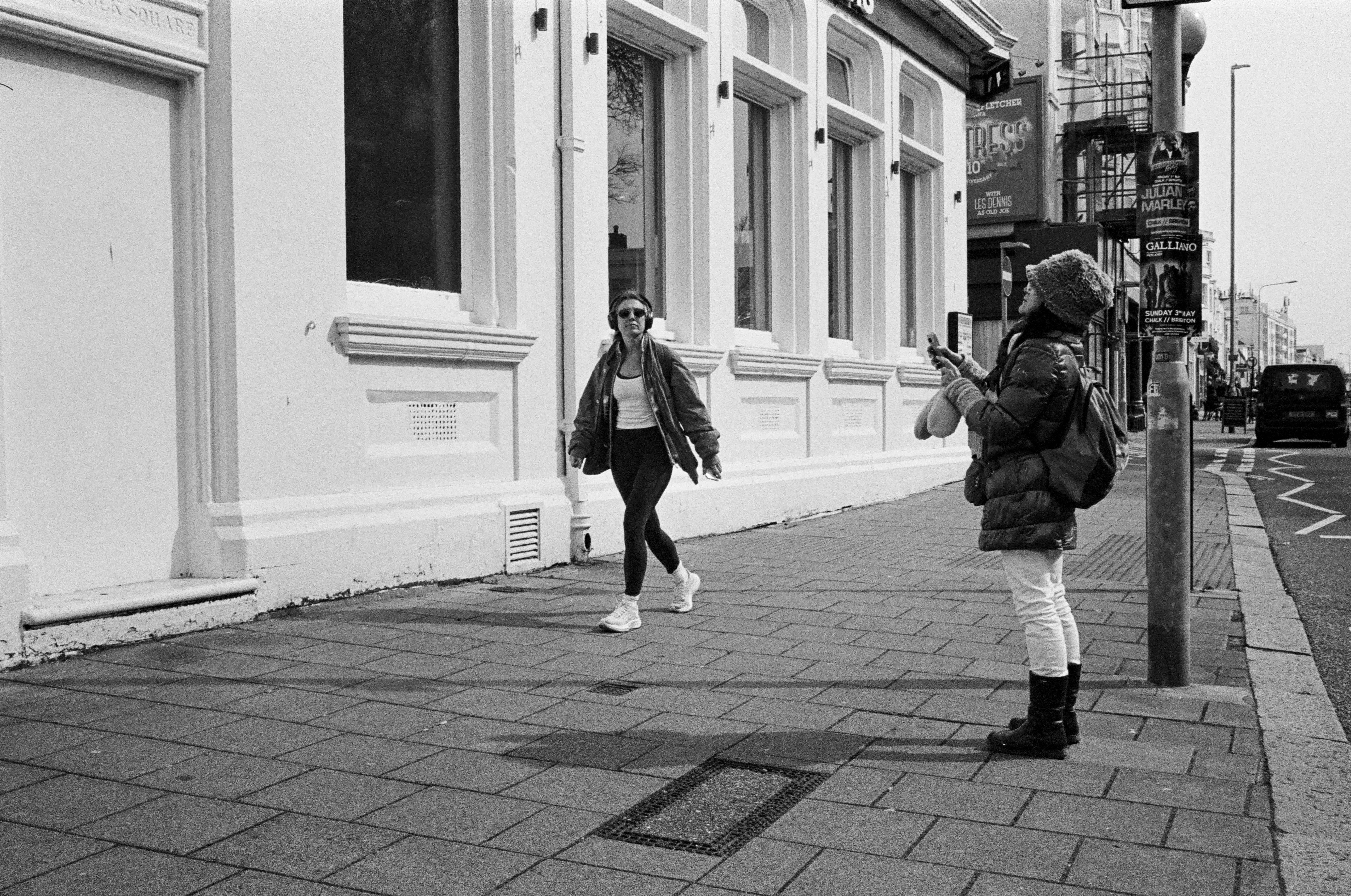
Now, does that mean gear matters more than anything else? Not really. You can take great photos on anything, and that’s always going to be true. But what I do think matters is how a camera makes you feel and how easy it is to make the photo you want. Because especially with street photography, things move quickly, moments disappear, and you don’t get a second chance. So anything that helps you react faster, focus quicker, and stay in the moment has real value.
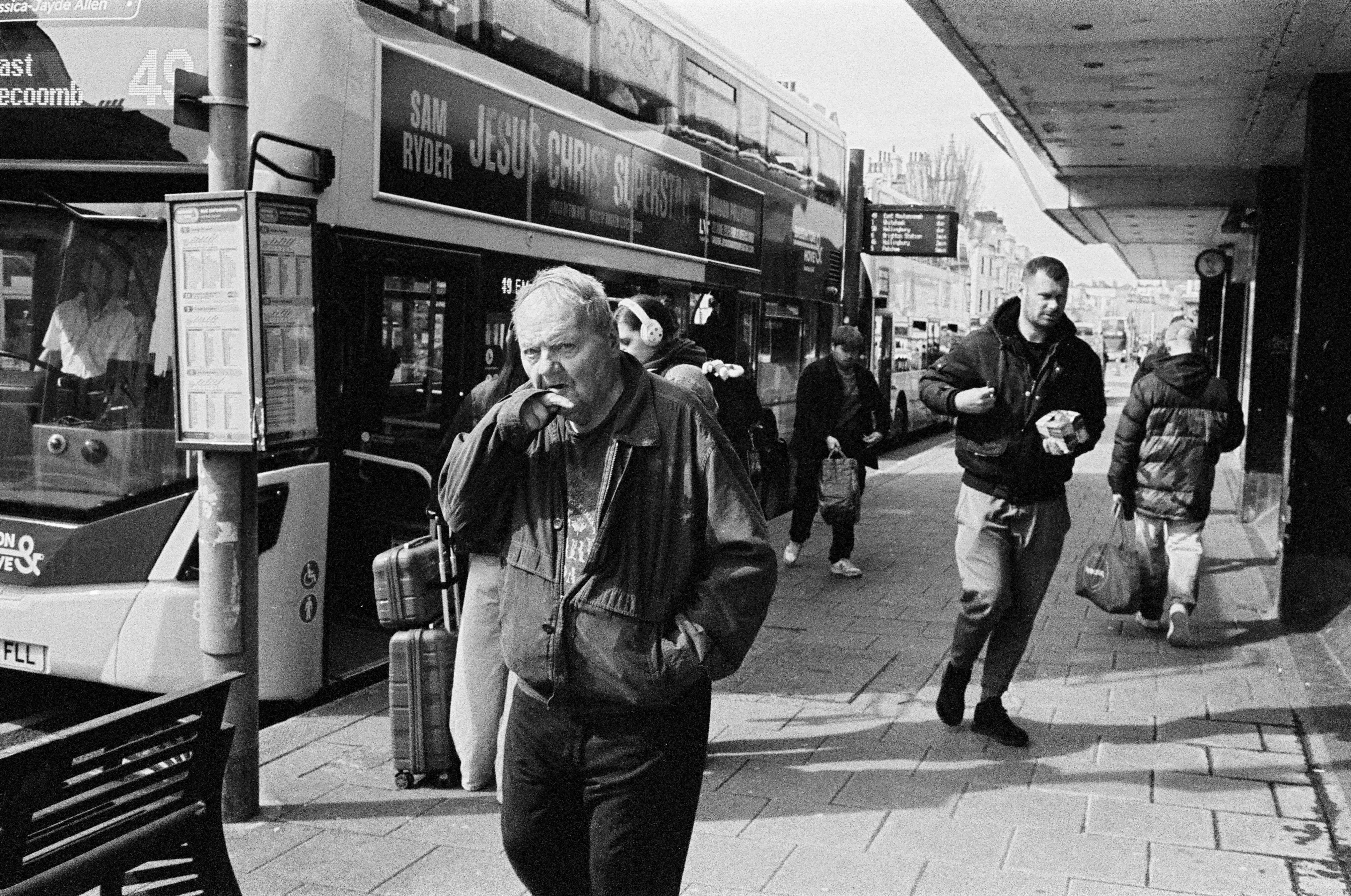
For some people, that won’t be a Leica, and that’s completely fine. But for me, using it just made sense straight away. It felt natural, easy, and like it matched the way I see and shoot.
And that’s why I’ve now got my eye out for one.
Because when something feels like that, it’s hard to ignore.